Walking Through History: Reflections from the Alabama Civil Rights Journey
In June 2026, students from Baltimore returned from a transformative educational journey through U.S. Civil Rights Trail in Selma, Montgomery and Birmingham, Alabama.
Through the Judge Alexander Williams Jr. Center for Education, Justice & Ethics, they visited the places where ordinary people demonstrated extraordinary courage in the pursuit of justice. Over the next three weeks, we'll revisit the journey, explore the history behind each destination, and reflect on how these experiences continue to shape tomorrow's leaders.
At the Judge Alexander Williams Jr. Center, we believe education is most powerful when it inspires curiosity, strengthens character, and empowers young people to lead with integrity and purpose. This journey reflects our ongoing commitment to preparing the next generation to become informed citizens, ethical leaders, and advocates for positive change within their communities.
Follow along as we'll share highlights from this remarkable experience and its lasting impact.
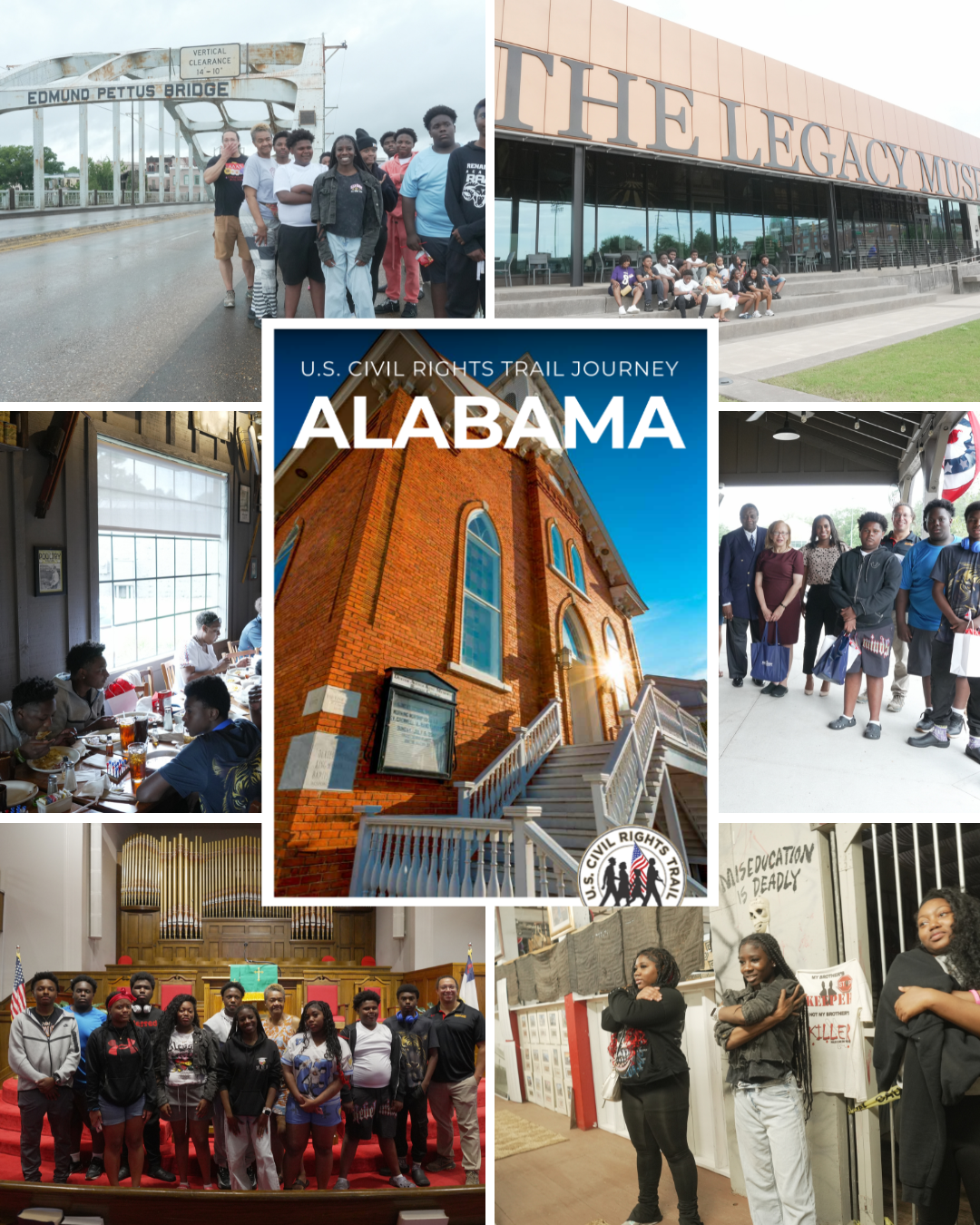
There are moments in history that cannot be fully understood through a textbook alone. They must be experienced—by walking the streets where movements began, standing in the spaces where ordinary people demonstrated extraordinary courage, and listening to the stories that continue to shape our nation today.
Students from Baltimore participated in the Judge Alexander Williams Jr. Center for Education, Justice & Ethics' Alabama Civil Rights Journey, also known as the U.S. Civil Rights Trail in Alabama, an immersive educational experience designed to deepen their understanding of American history, civic engagement, ethical leadership, and the ongoing pursuit of justice.
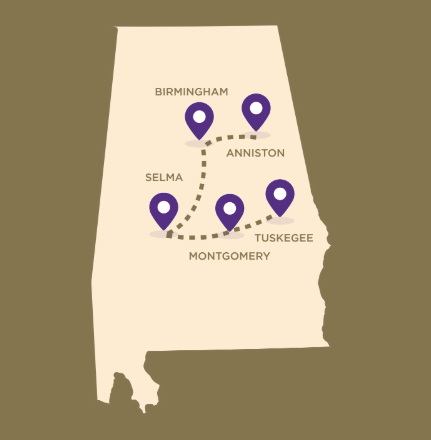
From Birmingham to Selma, Montgomery to Tuskegee, each destination became an extension of the classroom—where history was no longer something students simply studied, but something they experienced firsthand.
Why Alabama?
This question served as the foundation for the entire Alabama Civil Rights Journey.
Alabama is home to many of the defining moments of the American Civil Rights Movement. It is where communities organized against segregation, where courageous young people challenged injustice, where peaceful demonstrators marched for the right to vote, and where ordinary citizens forever changed the course of American history.
For our students, visiting Birmingham, Selma, Montgomery, Tuskegee, and surrounding communities was far more than an opportunity to travel—it was an opportunity to witness the places where democracy was tested and strengthened.
Each destination was intentionally selected to help students better understand the sacrifices made by previous generations and the enduring importance of civic participation, ethical leadership, and community engagement.
Experiential learning provides students with something that classrooms alone cannot offer: the opportunity to stand where history happened, engage directly with educators and community members, and reflect on the relevance of these stories within their own lives.
The Alabama Civil Rights Journey was designed not only to teach history, but to encourage students to consider how they might contribute to building more equitable communities today.
As part of the Judge Alexander Williams Jr. Center for Education, Justice & Ethics' Alabama Civil Rights Journey, students from Baltimore visited the National Voting Rights Museum & Institute in Selma—a place dedicated to preserving the history of the courageous individuals who fought to secure one of our nation's most fundamental rights: the right to vote.
Located at the foot of the historic Edmund Pettus Bridge, the museum serves as a powerful reminder that democracy has always required the courage, determination, and collective action of ordinary people willing to stand up for extraordinary change. Through exhibits, artifacts, photographs, and firsthand accounts, students explored the events that led to the Selma-to-Montgomery marches, the passage of the Voting Rights Act of 1965, and the ongoing pursuit of equal access to the ballot box. The museum encourages visitors to study the past, understand the present, and imagine a more just future.
For our students, this visit was more than a history lesson. It was an opportunity to reflect on the responsibilities that accompany citizenship and to consider how civic participation continues to shape communities across our nation. Standing in the very place where so much history unfolded challenged students to think beyond dates and events and instead focus on the people whose resilience forever transformed American democracy.
At the Judge Alexander Williams Jr. Center, we believe education is most impactful when students engage directly with the places where history was made. Experiences like these cultivate informed citizens, compassionate leaders, and young people who understand that preserving democracy requires both knowledge and action.
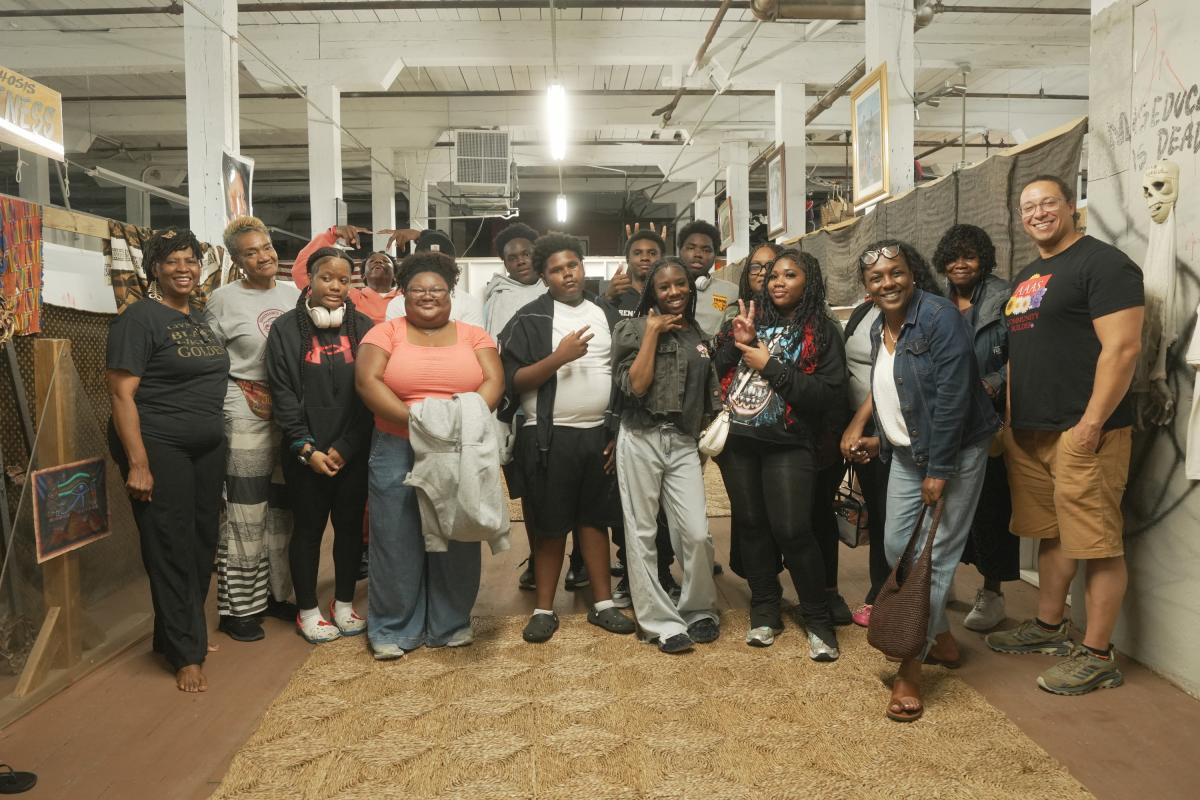
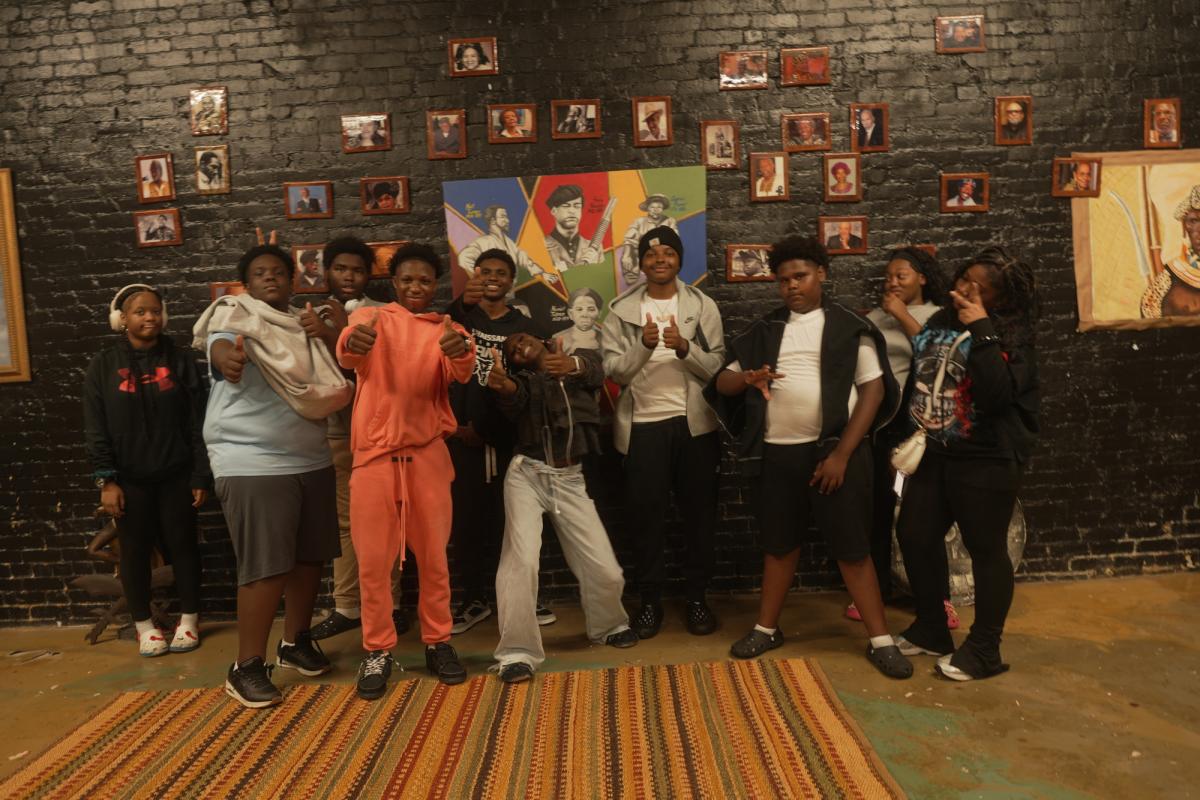
On the next stop for the Alabama Civil Rights Trail Journey, the Judge Alexander Williams Jr. Center traveled with students to the Ancient Africa Enslavement and Civil War Museum located in Selma, Alabama. Within feet from the Edmund Pettus bridge, the Enslavement and Civil War Museum presents the experience of enslaved Africans and the impact of the system of slavery on the United States to this day.
Students had an opportunity to observe about the historical milestones and struggles experienced by those enslaved during the Transatlantic Slave Trade and learn about the civil rights activists and freedom fighters over the centuries that fought for the freedom for Black Americans, including Sojourner Truth, Harriet Tubman, and Stokely Carmichael.
This museum is affiliated with the National Voting Rights Institute, where students were able to learn about the history and makeup of Selma and the voting rights movement across America. These museums in tandem provide a historical landscape of the civil rights movement from historical to the contemporary eras of this time period and why it is important to continue the pursuit of justice and equality in the United States.
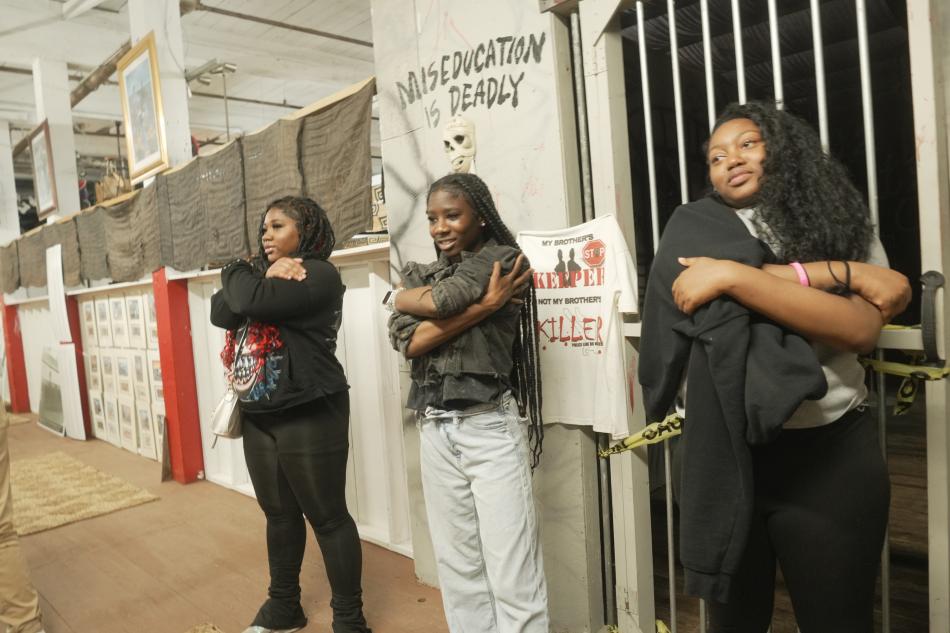
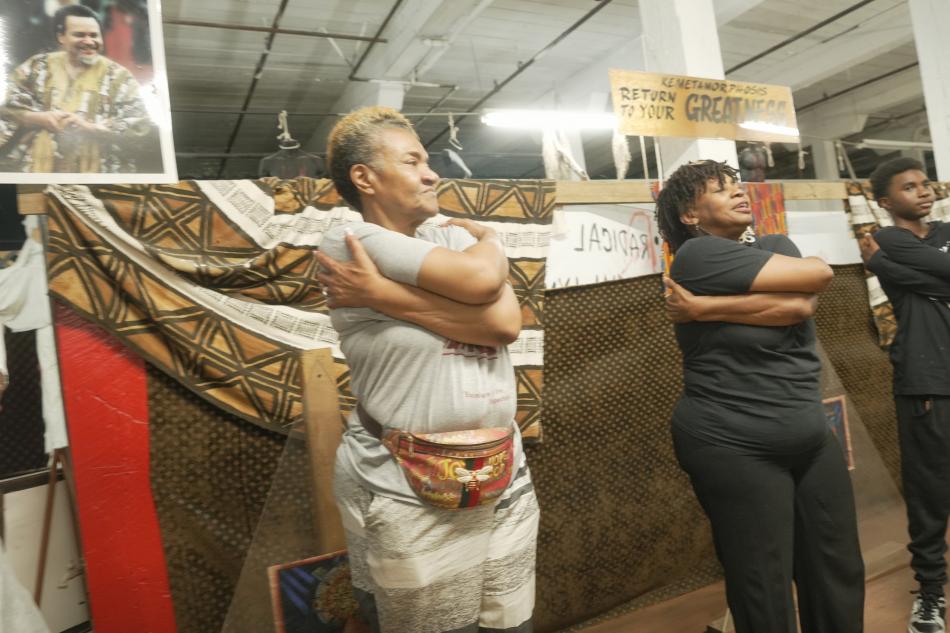
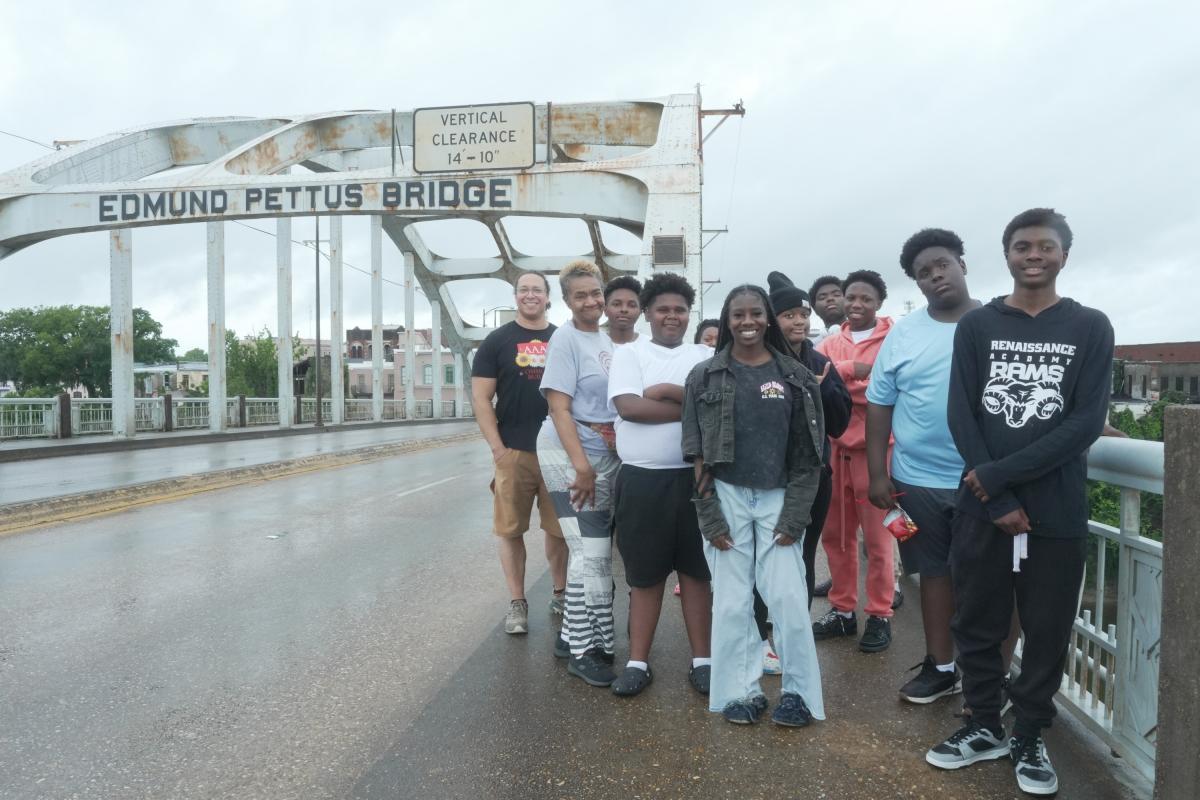
Few places along the Civil Rights Trail carry the emotional weight of the Edmund Pettus Bridge.
Standing where peaceful demonstrators were attacked on Bloody Sunday in March 1965, our students reflected on the courage of those who marched for the fundamental right to vote. What had once been a chapter in a history textbook became a deeply personal experience as students walked the same path taken by civil rights leaders, clergy, students, and ordinary citizens who believed America could become more just.
Crossing the bridge encouraged meaningful conversations about sacrifice, resilience, and civic responsibility. Students considered how acts of peaceful protest have shaped our democracy and how voting continues to serve as one of the most powerful expressions of civic participation.
The Alabama Civil Rights Journey reminds us that democracy is strengthened when citizens remain engaged, informed, and committed to protecting the rights of others.
Watch the video below to view CBS News' segment on Selma's Bloody Sunday and the importance of the Edmund Pettus Bridge.
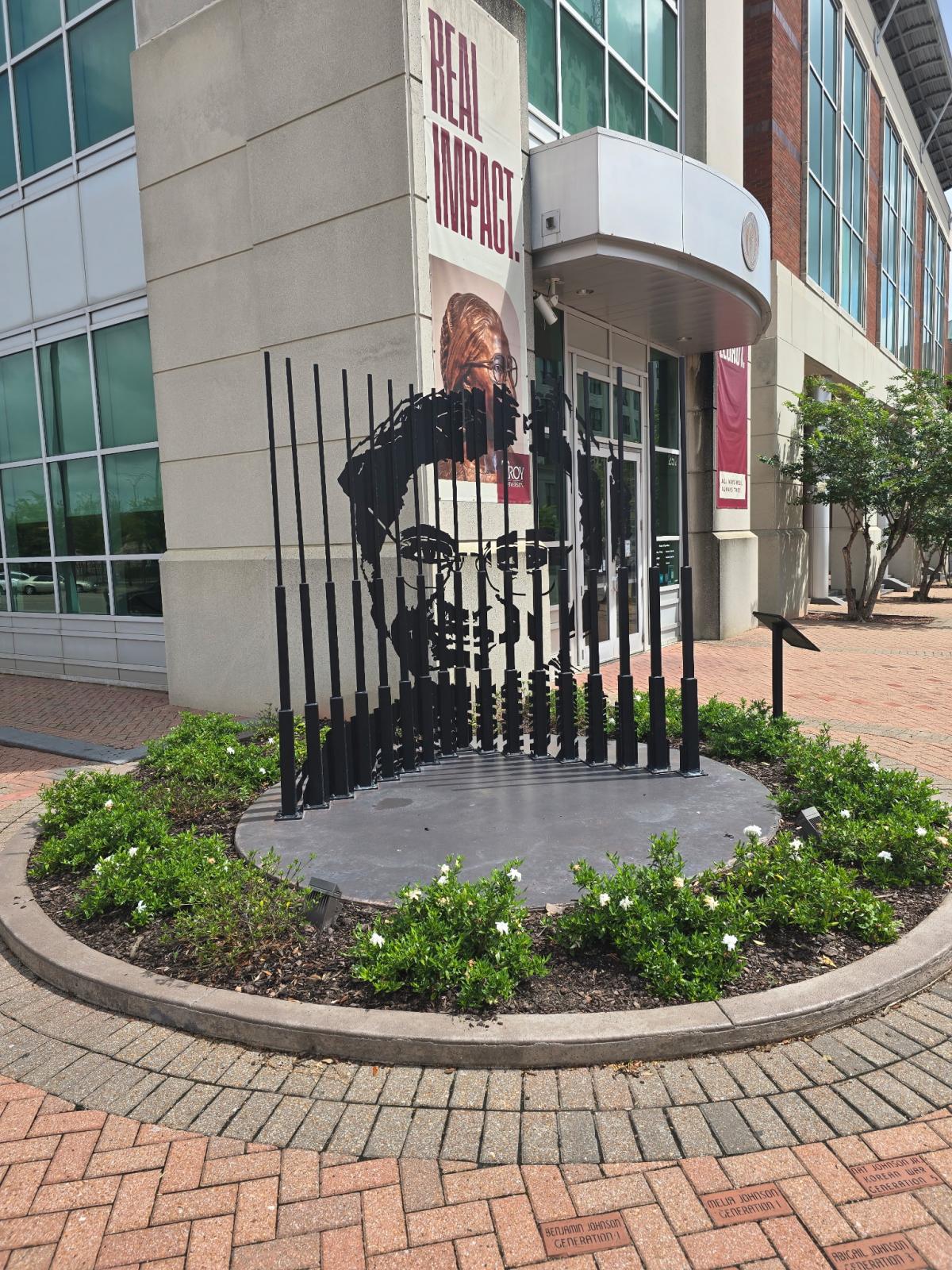
In early morning of the Alabama Civil Rights Journey, students and educators traveled to visit the Rosa Parks Museum in Montgomery, AL to witness the active memorial dedicated to the civil rights icon Rosa Parks. By refusing to give up her seat to a white passenger and move to the back, her story led the Montgomery Bus Boycott and actions by the National Association for the Advancement of Colored People (NAACP) in contributing to ending race-based discrimination.
Located at the site of Rosa Parks' famous arrest, students were able to see significant artifacts up close including the historic fingerprint arrest record of Rosa Parks, the 1950s Montgomery city bus, art pieces including quilts, court documents and police reports, and other revolutionary vehicles used in protest. This museum is important as it provides educational programs and scholarly resources to help students understand the magnitude of this change on the life and culture of our pursuit to justice today. It helps raise social awareness and consciousness on the fight provided by civil rights leaders before them to support the rights and privileges we have and ones that we continue the fight to hold and maintain.
This opportunity supports the Judge AW Center's core approach in holding knowledge as power in building the changemakers we need in this generation to uphold the court of law, resist regressive policies and actions towards discrimination and protect the 14th amendment ensuring that all experience the right to life, liberty and happiness.


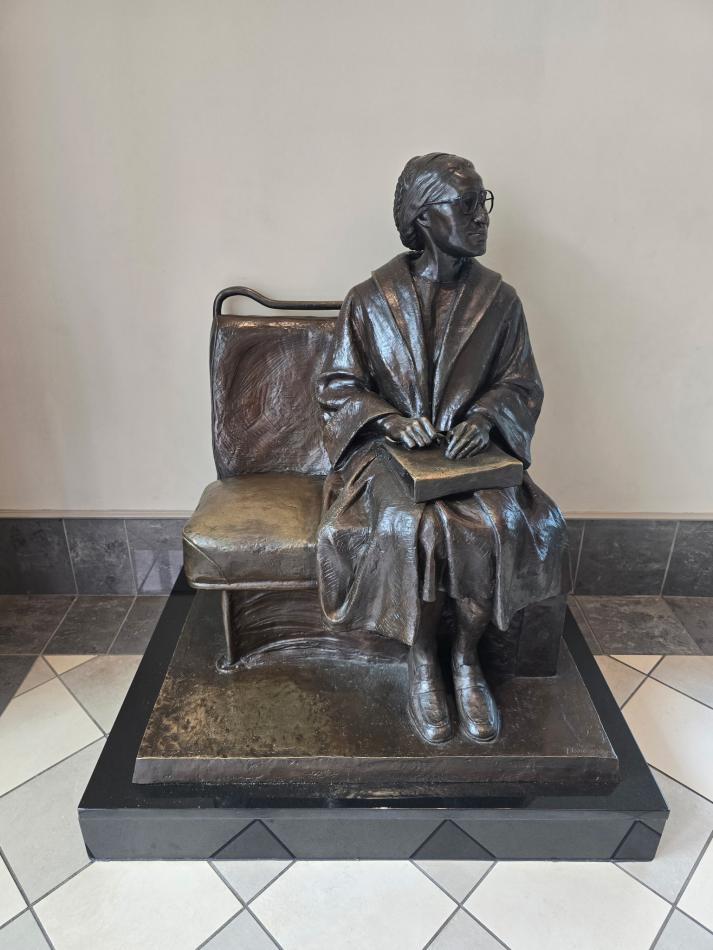
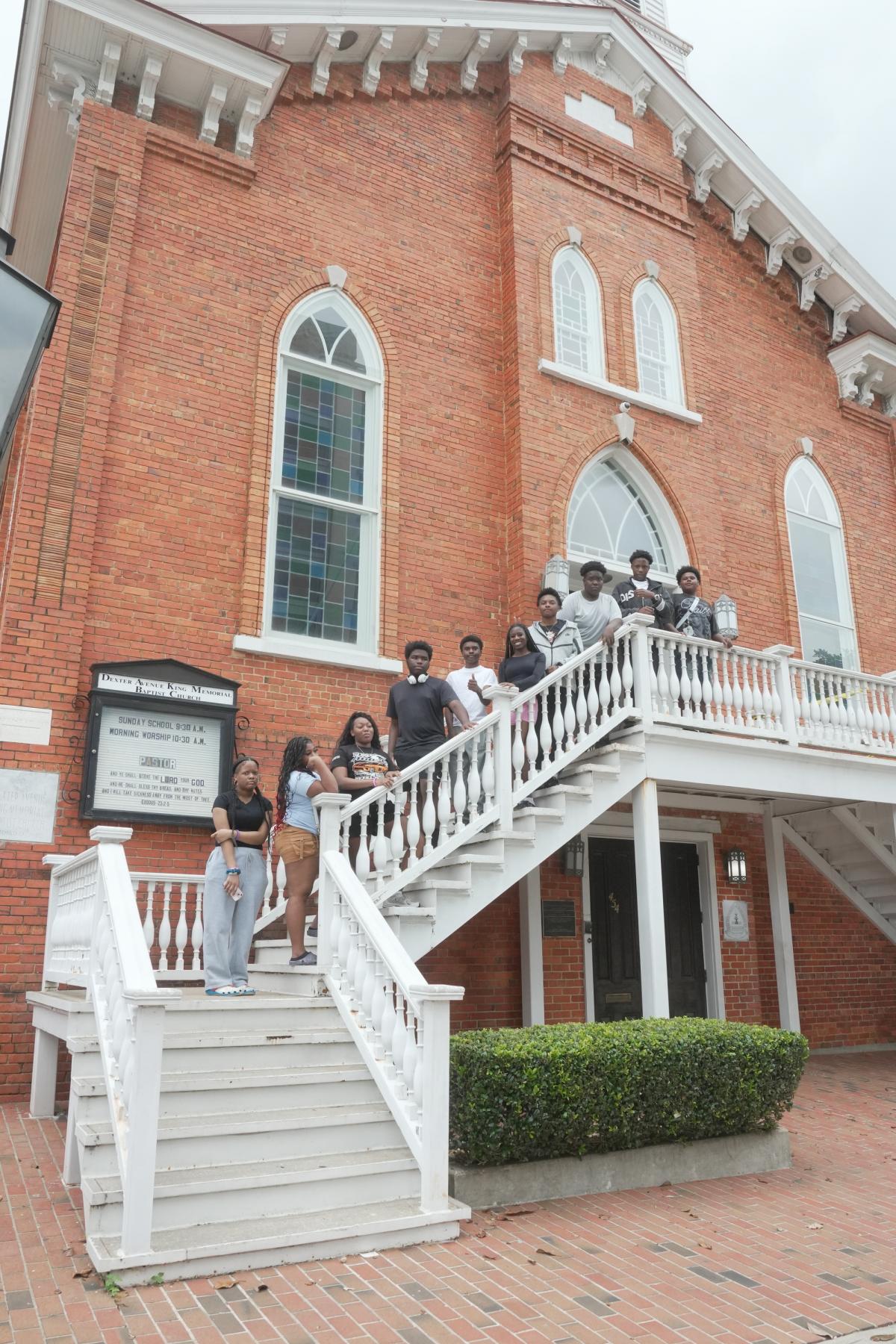
Our journey continued in Montgomery at Dexter Avenue King Memorial Baptist Church, where Dr. Martin Luther King Jr. served as pastor during the Montgomery Bus Boycott.
Standing inside this historic church offered students the opportunity to examine how faith communities became centers for organizing, education, and collective action during the Civil Rights Movement.
Established in 1877, this church was raised by the wealthy elite, including doctors, lawyers, business owners and educators. They purchased this property and built this church for congregation. When St. Vernon Johns arrived, he preached his congregation to rally against the segregation in the city and show compassion towards low-income residents facing discrimination and life struggles. St. Johns walked, so Dr. Martin Luther King Jr. ran and he preached with non-violent movement for the civil rights movement.
Students learned that leadership is rarely accomplished alone. It is cultivated through community, shared values, and a commitment to serving others.
Learn more about the Dexter Avenue Baptist Church here or watching the link below from the U.S. Civil Rights Trail and the World Monuments Fund.
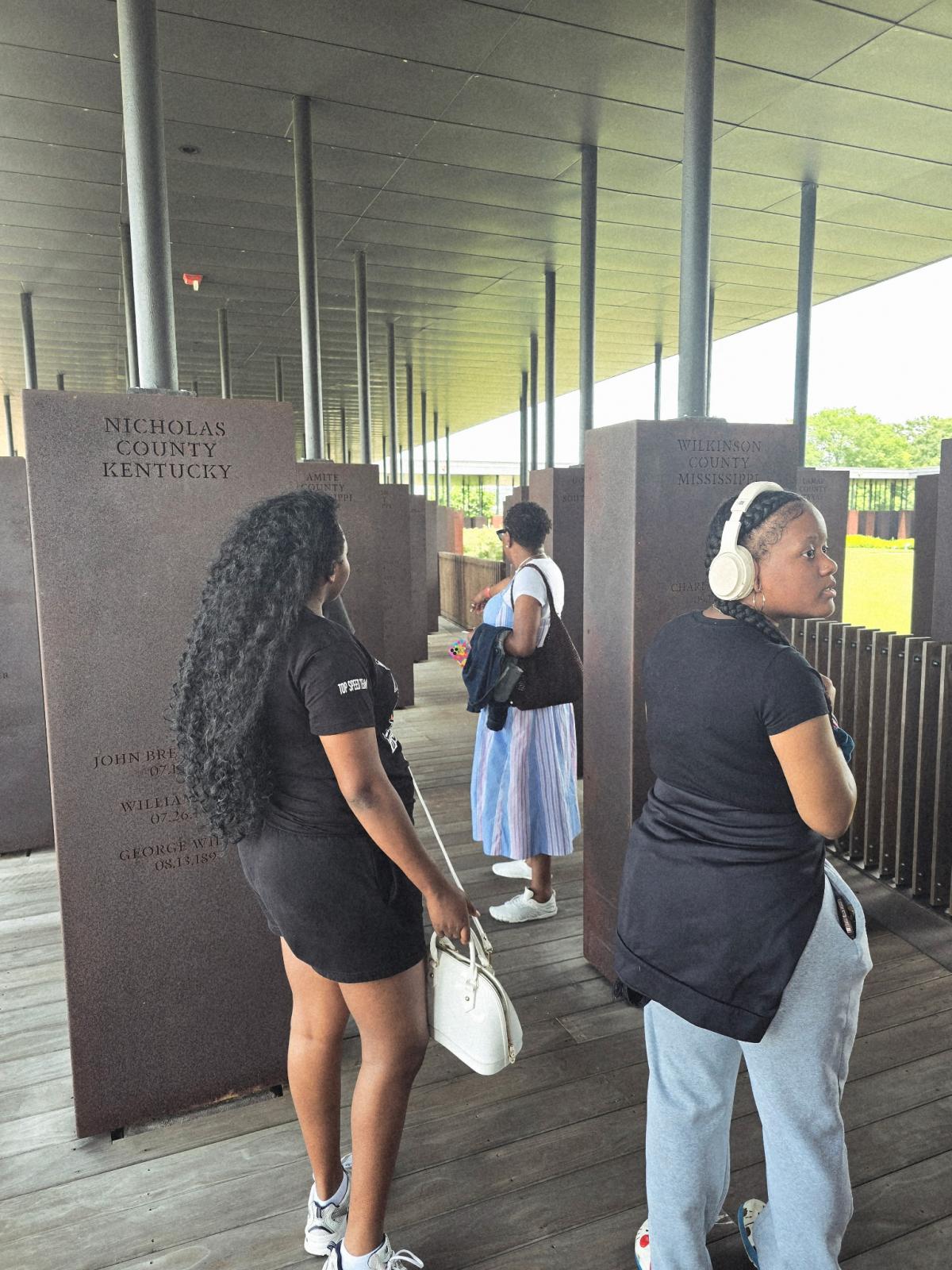
Located minutes away from the Legacy Museum, students visited the National Memorial for Peace and Justice where it is known as a "sacred space for truth telling and reflection about racial terrorism and its legacy." At this memorial, students are provided the opportunity to learn about the over 4000 Black people killed in racial terror lynchings between 1877 and 1950. This memorial exists as a sobering reality of the terror and brutality exampled in U.S. Black history and ignites a renewed passion for this next generation to confront this truth and establish a path towards healing, recognition, rememberance and justice.
At the Judge Alexander Williams Jr. Center, we believe that the power in education inspires and encourages the youth to feel empowered in speaking out against injustice and recognize its patterns in our world today.
Learn more about the National Memorial for Peace and the importance of building this memorial using the links below.
The National Memorial for Peace and Justice
Credit: The Legacy Sites; National Memorial for Peace and Justice; Equal Justice Initiative
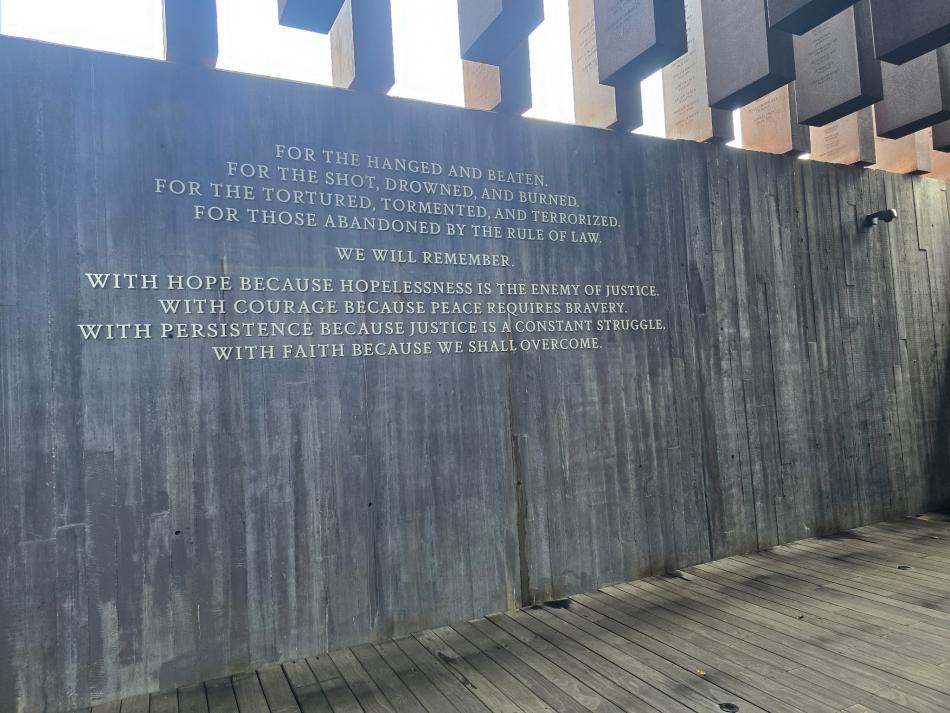
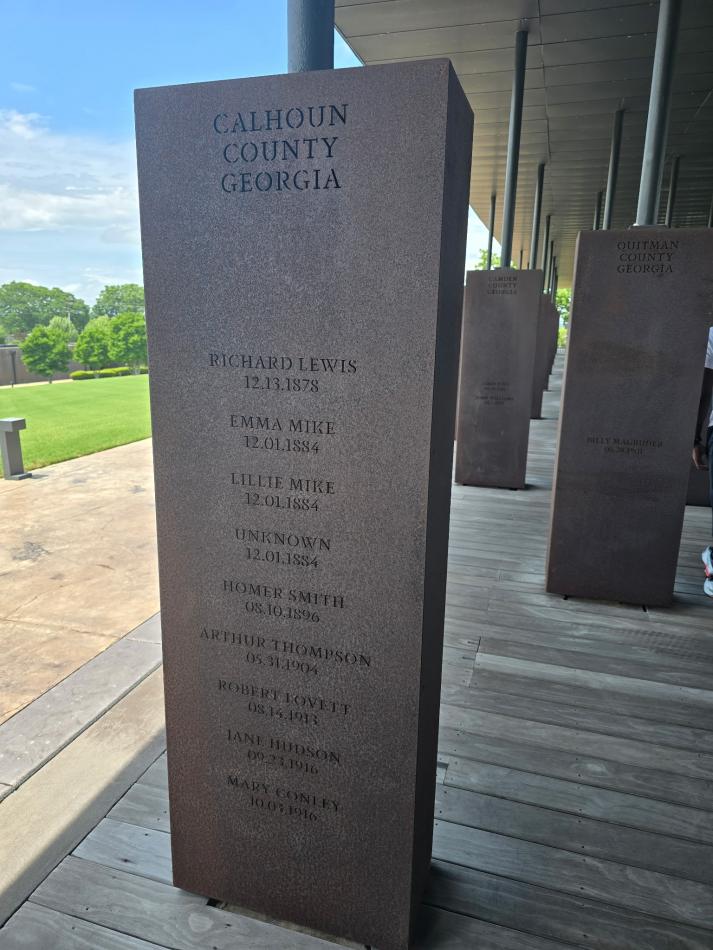
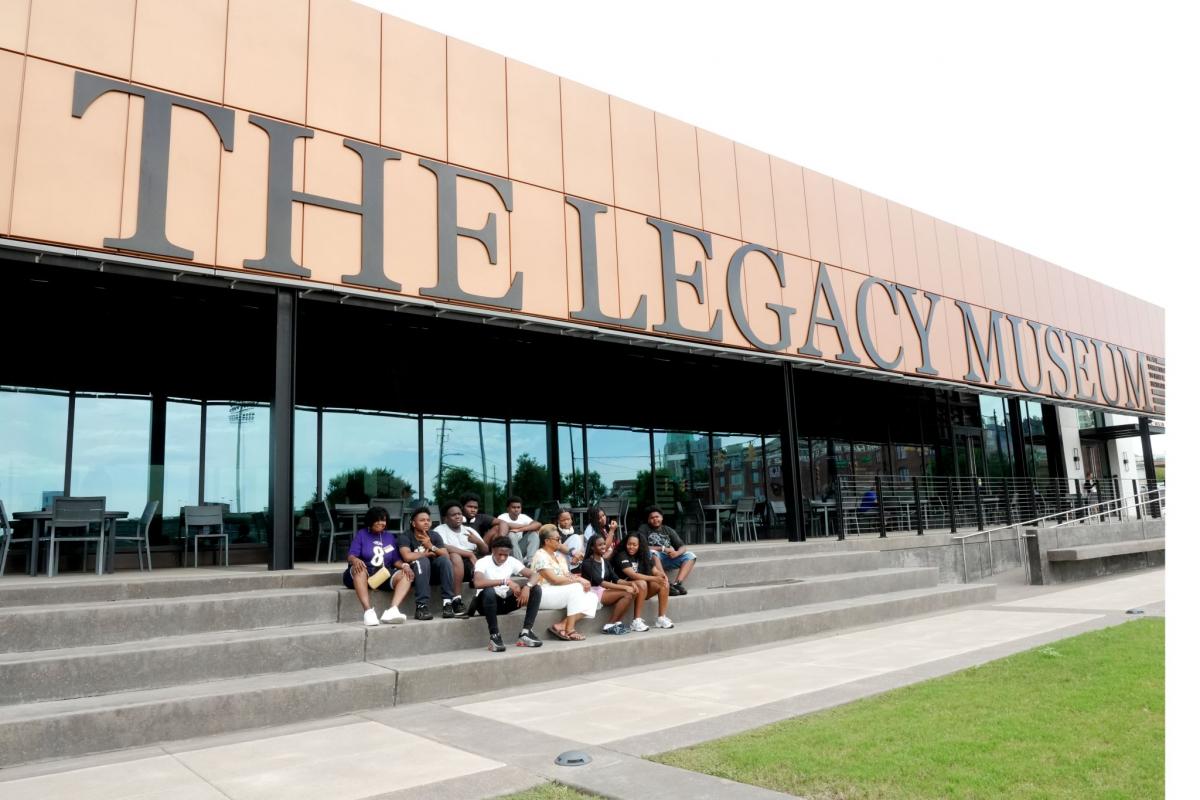
Standing inside the Legacy Museum, our students encountered more than historical artifacts—they encountered stories that challenged them to consider how the past continues to shape our present.
On the site of a cotton warehouse where enslaved Black people were forced to labor in bondage, the Legacy Museum tells the story of slavery in America and its legacy through interactive media, first-person narratives, world-class art, and data-rich exhibits. Through immersive exhibits and thoughtful reflection, they examined the enduring legacy of slavery, racial injustice, and the ongoing pursuit of equity in America.
Guided by educators and mentors from the Judge Alexander Williams Jr. Center for Education, Justice & Ethics, students engaged in conversations that extended beyond the museum walls, asking difficult questions about leadership, civic responsibility, and the role each generation plays in advancing justice.
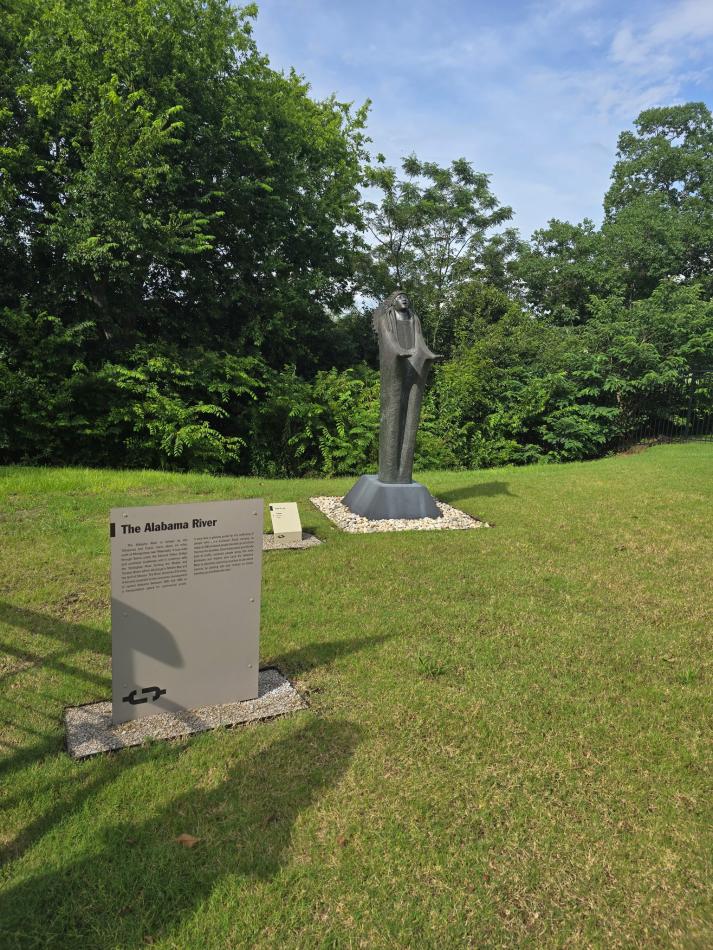
Following the Legacy Museum, the Judge Alexander Williams Jr. Center and Baltimore City students ventured on a memorable boat ride on the Alabama River. This boat ride carried symbolism and significance as thousands of enslaved people were forced to travel this same river. This surreal moment allows students to process and empathize with the enslaved people forced into slavery.
This river journey is part of the Legacy Sites, including the National Memorial for Peace and Justice, the Legacy Museum, Montgomery Square, and the Freedom Monument Sculpture Park which was the newest 17-acre legacy site created to showcase the lived experience of enslaved people in America.
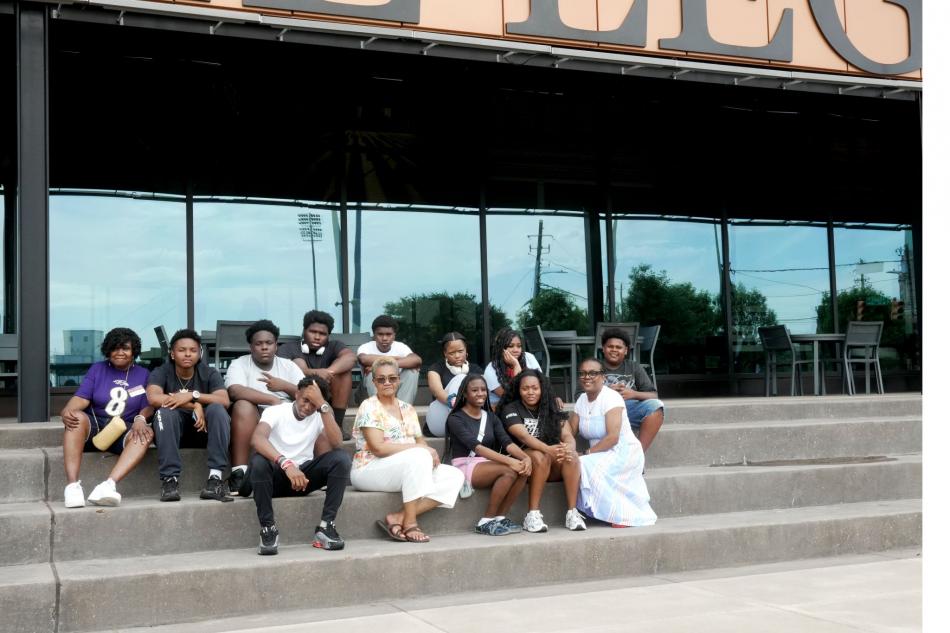
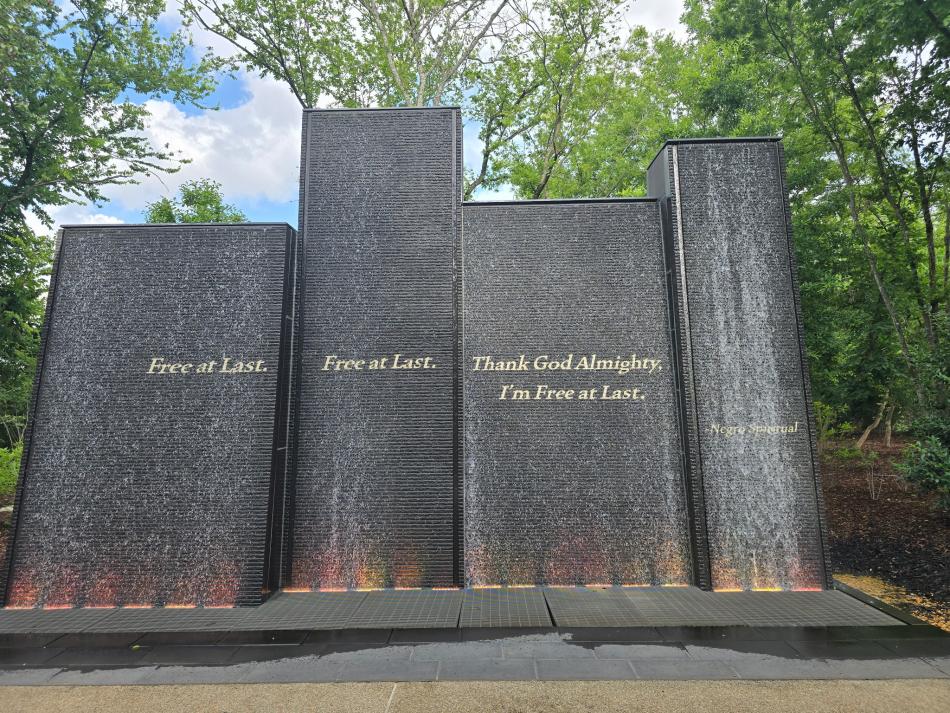
"The price of liberty is eternal vigilance" -Honorable Donald E. Blankenship
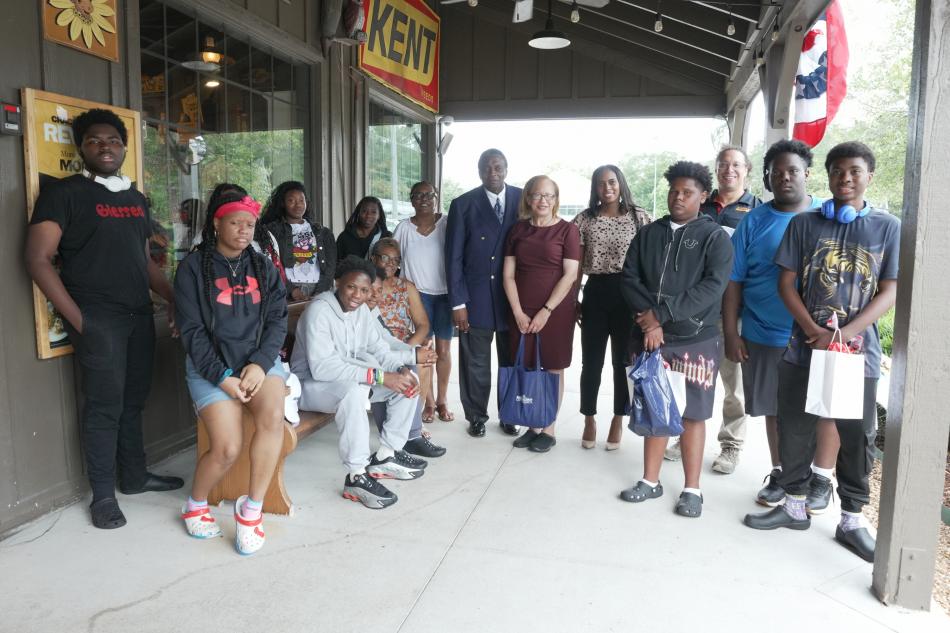
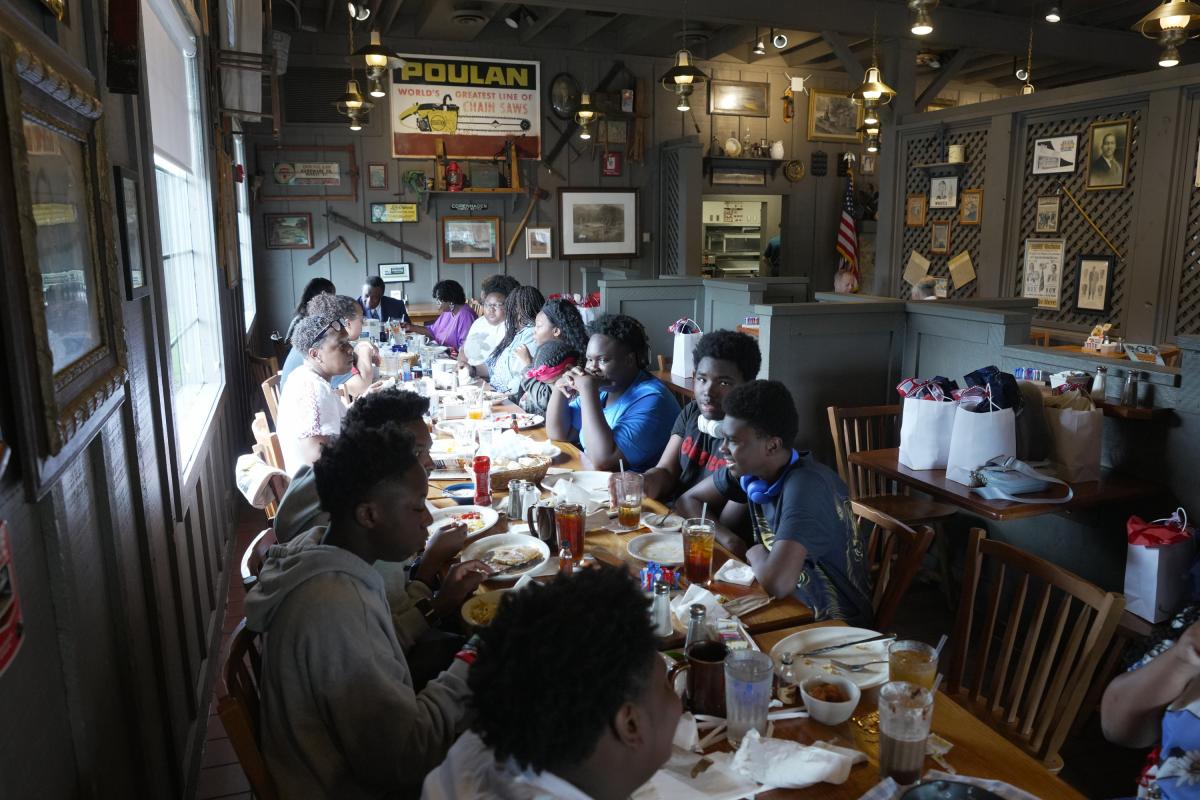
On the final day of the trip, the Judge AW Center and students traveled to Birmingham, AL to meet current and retired elected officials and law enforcement to learn more about how they can be courageous and lead positive change in their communities. The Judge AW Center staff and students had a special opportunity and privilege to meet the following local leaders:
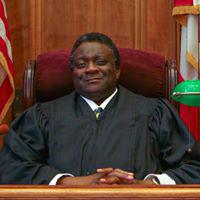
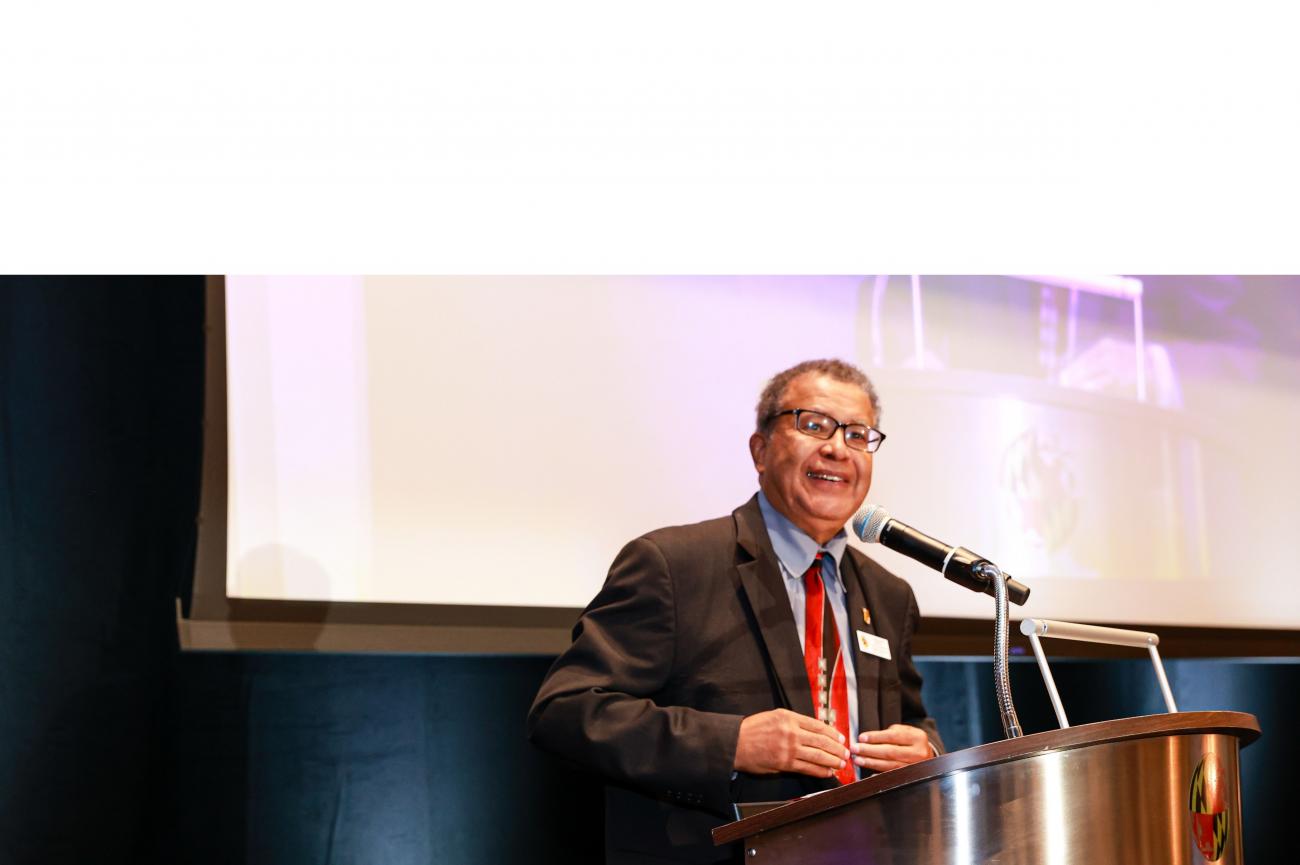
The Honorable Donald E. Blankenship, Retired Circuit Court Judge, 10th Judicial Circuit and descendant of Honorable Eddie Blankenship Civil Rights Activist, Birmingham City Council President and Presiding Elder of the Birmingham Huntsville District of the 9th Episcopal District of the AME Church
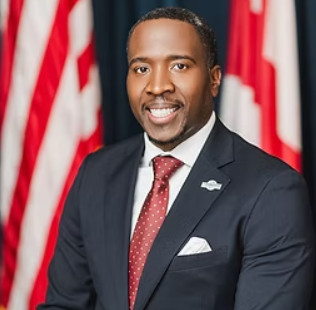
The Honorable Clinton P. Woods, Birmingham City Council member and descendant of Civil Rights Leader Abraham Woods.
"As a champion for sustainable economic growth, education, youth development, and neighborhood revitalization, Councilor Woods has implemented a range of initiatives to drive District 1’s resurgence. His administration launched The Power of One and Be Litter Free beautification campaigns to combat excessive littering and enhance community pride. Recognizing public safety as a top priority, he has strengthened partnerships with the Birmingham Police Department and facilitated the installation of 17 Public Safety Cameras in key corridors. Additionally, he has led efforts to improve infrastructure, securing more than 100 street resurfacing projects since 2020 and launching a $1 million renovation effort for Huffman Ballpark."
Deputy Sigourney Hollis for the Jefferson County Sheriff’s Office in Birmingham, Alabama.
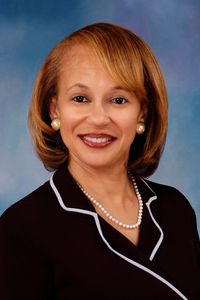
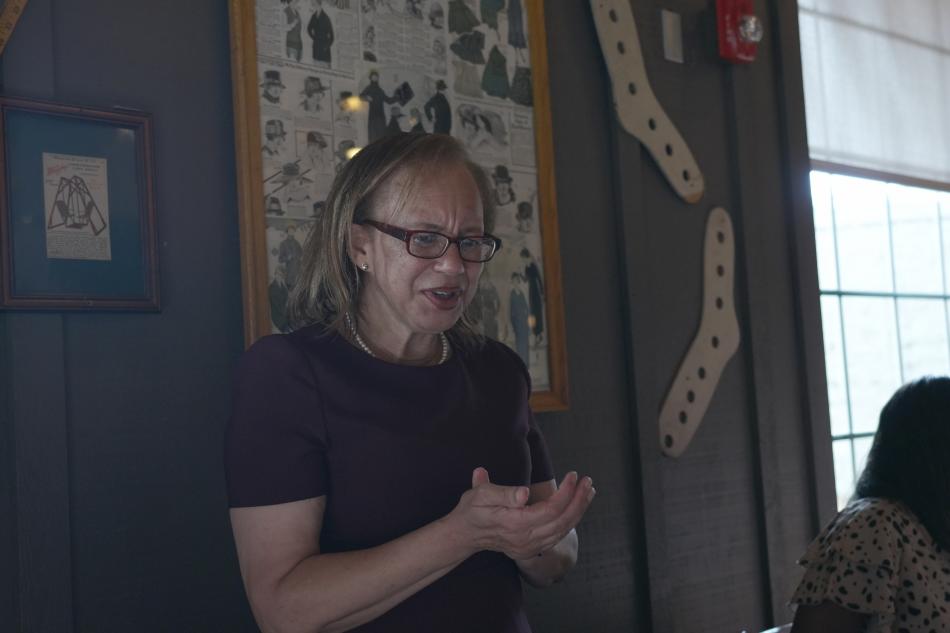
Valerie Cunningham, J.D. - Retired Federal Law Enforcement, District of Maryland and Former Court Administrator, 10th Judicial Circuit, Alabama.
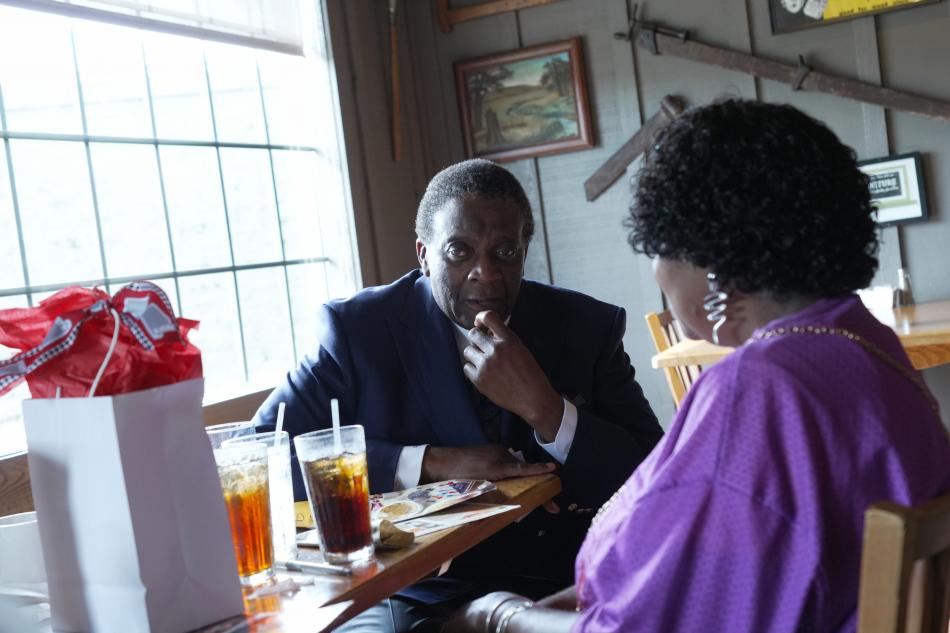
Students and staff gathered to enjoy a hearty meal and receive insight from retired elected officials, law enforcement, and community members on how to be active changemakers.